Douglas Fir Lumber — Strong, Straight-Grained Pacific Softwood, Priced per Board Foot
Douglas Fir is the workhorse softwood of the Pacific Northwest — Pseudotsuga menziesii — famous for the best strength-to-weight ratio of any common building wood and for long, straight, clear grain. It is the traditional wood of timber frames, heavy beams, interior trim, stair parts and doors. Buy it by the board foot — select thickness and milling, enter the quantity you need, and add to cart.
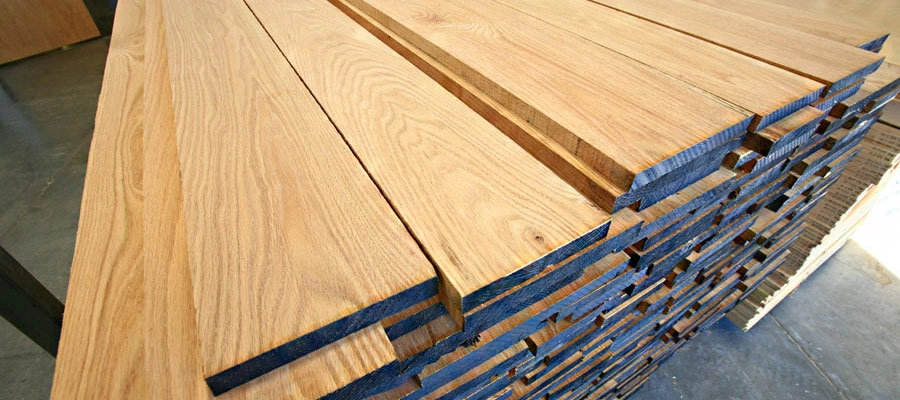
Choose Rough Sawn for shop stock you'll mill yourself. Choose S4S for boards surfaced to 150-grit and ready to use. Choose S2S for face-surfaced material you'll joint yourself.
About Our Douglas Fir
Pacific Northwest Douglas Fir (Pseudotsuga menziesii) — not a true fir, in a genus of its own
Exceptional strength-to-weight — the standard structural and timber-frame softwood
Warm reddish-tan heartwood with straight grain; vertical-grain (VG) stock is prized for trim and flooring
Moderately rot-resistant heartwood — better than pine or spruce for semi-exposed work
Janka hardness ~660 — a softwood, lighter and easier to work than the oaks
Kiln-dried, sold 4/4 through 10/4
Douglas Fir is the softwood to reach for when you want strength, length and a warm, straight grain that finishes clear. Call 412.641.0177 for beams, extra-long stock, or truckload quantities.
Douglas Fir at a Glance
The technical properties builders, timber framers and specifiers ask about most for Douglas Fir (Pseudotsuga menziesii).
Botanical name
Pseudotsuga menziesii — family Pinaceae; despite the name it is not a true fir (Abies), but in its own genus
Also known as
Doug fir, Oregon pine, Douglas spruce, Columbian pine, VG fir (vertical grain)
Where it grows
The Pacific Northwest and Rocky Mountain West of North America — coastal Douglas Fir is the prized timber source
Average dried weight
~32 lbs/ft³ (510 kg/m³) — a medium-weight softwood
Density (specific gravity)
~0.45 basic / 0.50 at 12% MC
Janka hardness
~660 lbf (2,900 N) — soft compared with oak, but hard and dense for a softwood
Strength
Outstanding strength-to-weight and stiffness — the benchmark structural softwood for framing and beams
Rot & insect resistance
Heartwood is moderately durable — better than pine or spruce, suitable for semi-exposed work; not as durable as White Oak or Cypress
Grain & texture
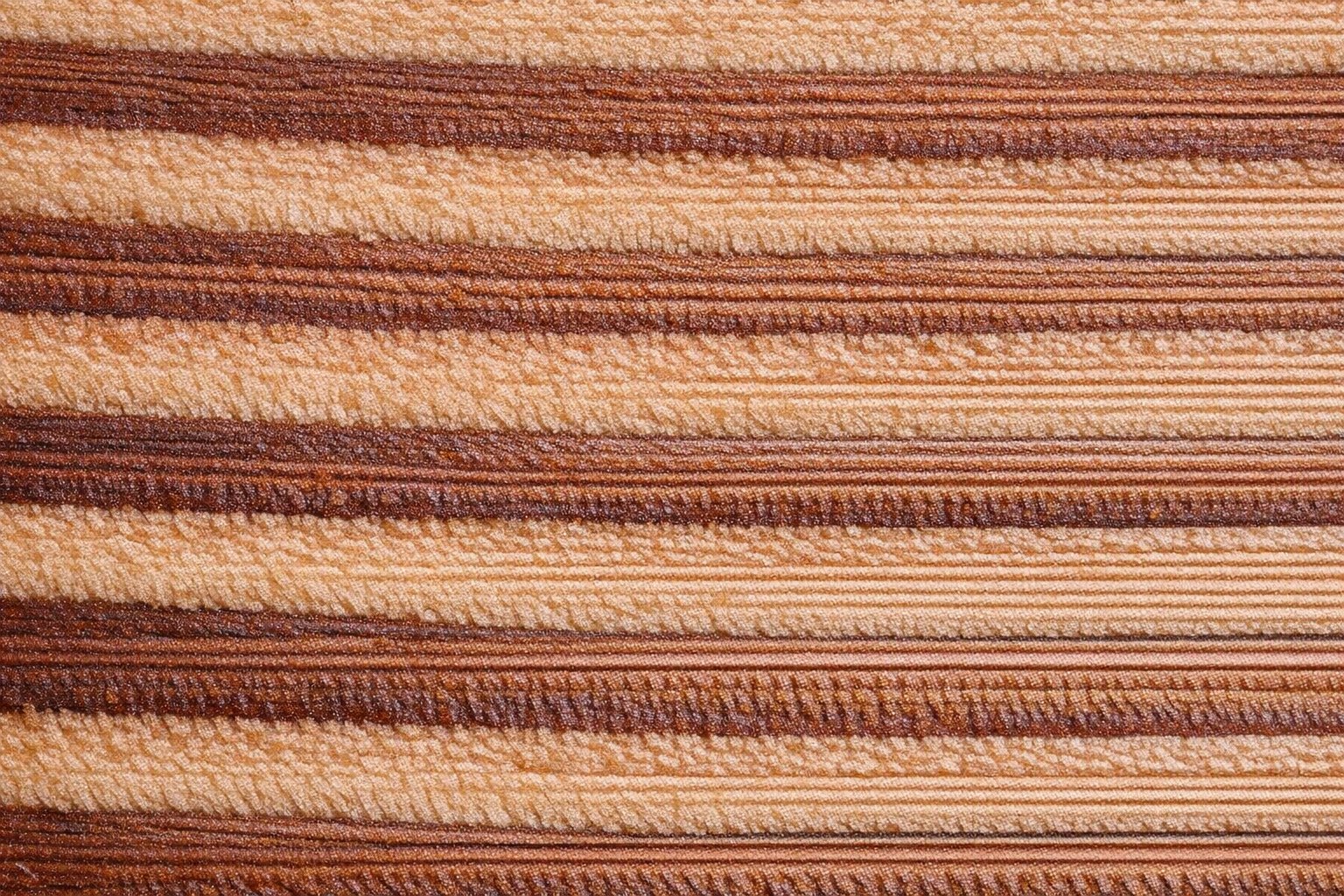
Straight-grained with a medium-to-coarse texture; a hard, dark latewood band gives a strong grain line, especially in vertical-grain stock
Color
Light reddish-tan to warm amber heartwood; pale, narrow sapwood
Machinability
Works well with sharp tools; the hard latewood / soft earlywood contrast can chip or tear on dull blades and makes even staining tricky
Paintability & finishing
Paints and finishes well; use a conditioner or wash-coat before staining so the soft earlywood doesn't blotch
Stability
Good once dried; vertical-grain (quartersawn) stock is the most stable and is preferred for trim and flooring
Best for
Timber framing, exposed beams, interior trim and doors, stair parts, VG flooring, boat spars
Sustainability
Abundant, fast-growing and sustainably managed across the Northwest; not a listed or threatened species
The Story of Douglas Fir
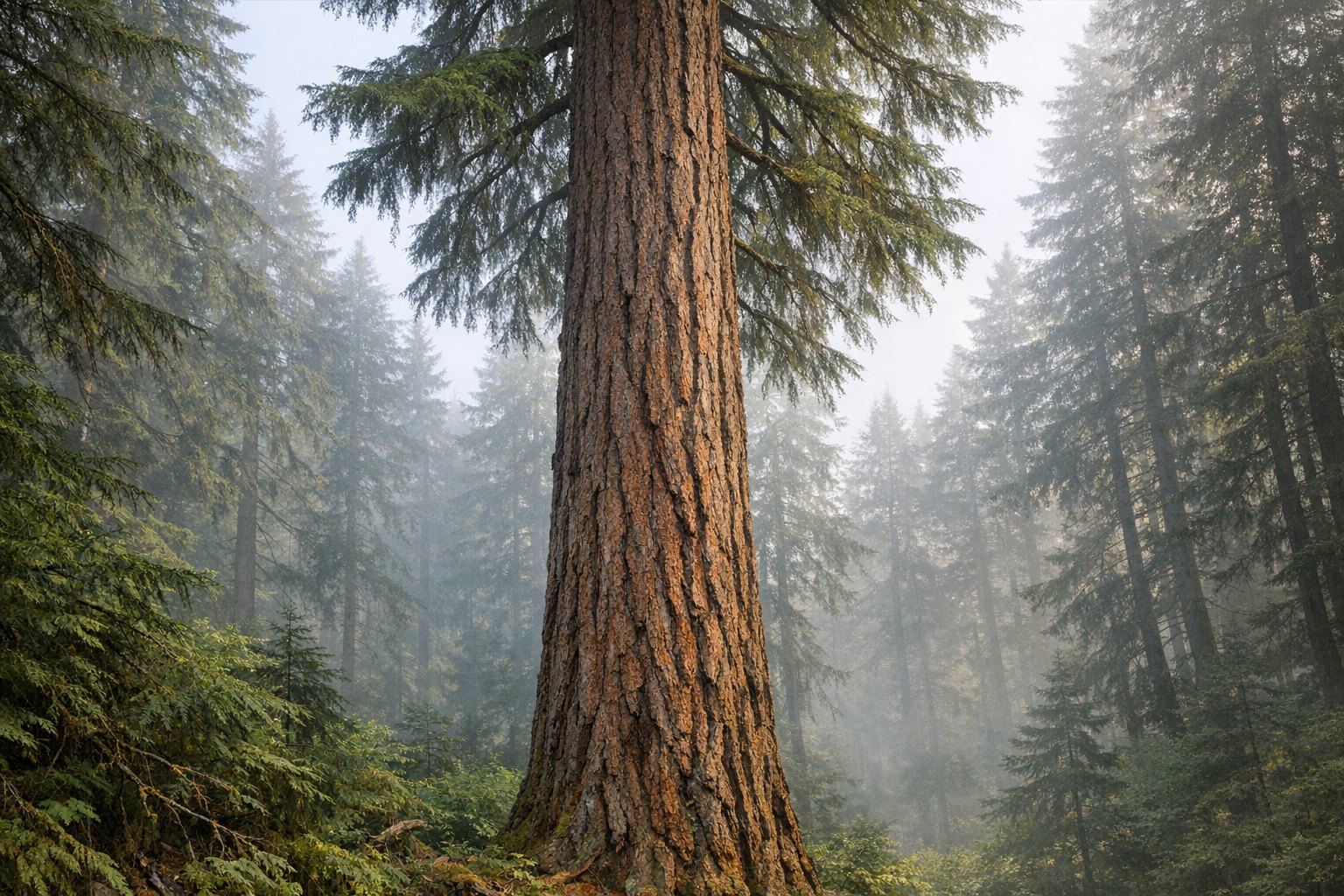
The living tree — Pseudotsuga menziesii, a Pacific Northwest giant that grows straight and tall.The cut board — straight grain with pronounced hard latewood lines, the source of fir's strength.
Douglas Fir is the great structural softwood of North America — Pseudotsuga menziesii, a giant of the Pacific Northwest that grows straight and tall to 200 feet and beyond, second only to the redwoods. It is named for David Douglas, the Scottish botanist who introduced it to Europe in the 1820s, but the Pseudotsuga — “false hemlock” — in its Latin name is the giveaway: it is not a true fir at all, but a species in a genus of its own.
The wood that built the West
Loggers called it Oregon pine and shipped it around the world for a simple reason: pound for pound, few woods are stronger or stiffer. That strength-to-weight ratio made it the default for framing lumber, heavy timbers, railroad trestles, ship decking and factory beams — the skeleton of the American West and much of its industry is Douglas Fir.
Vertical grain and warm color
Beyond structure, quartersawn or “vertical-grain” (VG) Douglas Fir became a prized appearance wood. Its tight, straight lines and warm reddish-tan color made it the traditional choice for interior trim, doors, wainscot and flooring in Craftsman and bungalow homes. Old-growth VG fir flooring is still sought after for exactly that look.
Working with it
At about 660 on the Janka scale it is soft enough to work easily and hold long, clean lengths, but its grain has a distinct personality: a soft, pale earlywood alternating with a hard, dark latewood band. That contrast reads beautifully under a clear finish, but it will chip on dull tooling and blotch under stain — use sharp blades and a wood conditioner before staining. It glues and finishes well, and takes paint cleanly.
What Builders Make from Douglas Fir
Timber framing and beams — the classic species for exposed heavy timber and post-and-beam work
Interior trim, casing and doors — straight grain and warm color, especially vertical-grain stock
Stair parts — stringers, treads and rails where a strong softwood is wanted
Flooring — traditional VG fir flooring, warm and hard-wearing for a softwood
Boatbuilding and spars — strong, long and straight-grained
Douglas Fir — Common Questions
Is Douglas Fir a hardwood or a softwood?
It is a softwood (a conifer), but a strong, dense one — harder and stiffer than pine or spruce. Despite the name it is not a true fir either; Pseudotsuga menziesii sits in its own genus. Its Janka hardness is about 660, well below the oaks but high for a softwood.
What is Douglas Fir used for?
It is the classic structural softwood: timber framing, exposed beams, post-and-beam work, framing lumber, stair stringers and boat spars. As appearance wood, vertical-grain (VG) Douglas Fir is prized for interior trim, doors, wainscot and flooring, especially in Craftsman and bungalow homes.
What is vertical-grain (VG) Douglas Fir?
Vertical-grain is the quartersawn cut of Douglas Fir — the growth rings run nearly perpendicular to the face, giving tight, straight, parallel grain lines. VG stock is the most dimensionally stable and the most prized for trim and flooring because it stays flat and reads cleanly.
How strong is Douglas Fir?
Exceptionally strong for its weight — it has one of the best strength-to-weight and stiffness ratios of any common building wood, which is why it is the benchmark species for structural framing and heavy timbers. It is strong in bending and compression along the grain.
How is Douglas Fir lumber sold and priced?
By the board foot, kiln-dried, in 4/4, 8/4 and 10/4 thicknesses, rough sawn, S2S or S4S. One board foot is 144 cubic inches (a 12×12×1″ board). Vertical-grain stock, beams, extra-long lengths and truckload volumes are quoted on request.
Is Douglas Fir rot-resistant?
The heartwood is moderately durable — better than pine or spruce and fine for semi-exposed work — but it is not in the class of White Oak or Cypress for wet, ground-contact or fully exterior use. For weather-exposed millwork, consider White Oak or Cypress; for structure and interior work, Douglas Fir is excellent.
Does Douglas Fir stain well?
It takes a clear finish beautifully, but staining needs care: the soft, pale earlywood absorbs stain much faster than the hard, dark latewood, so it can blotch. Use a wood conditioner or wash-coat first, and sharp tooling to avoid chipping the brittle latewood.
Where does Douglas Fir grow and is it sustainable?
It is native to western North America — the Pacific Northwest coast and the Rocky Mountain West — with coastal Douglas Fir being the prized timber source. It is fast-growing, abundant and sustainably managed, and is not a listed or threatened species.
Call 412.641.0177 with questions or custom quantity requests.