
Why Teak Boat Doors?
Published: January 07, 2022
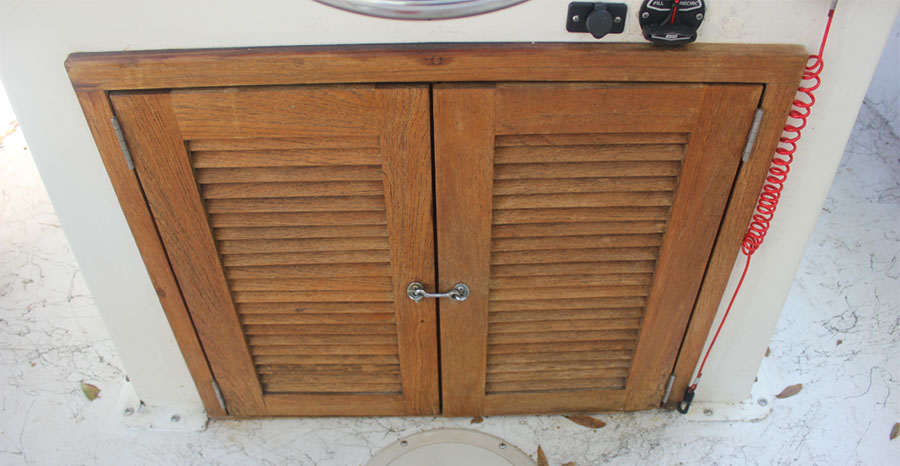
Teak is truly a gift to the marine industry and is considered to be the world's most valuable and versatile hardwood by mariners. With its rich golden brown luster, decorative grain and unique properties or strength, stability and resistance to wear have made it the most demanded wood for marine use. Teak has been used on aircraft carriers, tall mast graceful clipper ships, exquisite cruise ships, refined yachts, dinghies and rugged workboats. For centuries teak doors have been the epitome of excellence but few people know all of the remarkable benefits and applications of this unique wood. On the exterior teak decks are specified because teak is the only wood that can withstand the harsh dramatic changes of the sea water and hot sun and does not split, crack or warp.
There is no other wood or man-made material that has the versatility of teak. Teak doesn't warp, twist or expand in the high humidity settings of boat interiors making it ideal for boat doors, hatches and boat cabinetry. Most woods when in contact with water will readily crack, because of these natural oils teak has a very low coefficient of expansion and contraction so it will remain stable even under months in the hot sun or submersed in ocean waters. Teak also has high silica content which gives traction to those walking on a wet teak deck. In marine environments metals can corrode easily turning woods that are in contact with the metal black with oxidation but not so with teak because of its natural oils, these natural resins also repel termites, marine borers and resist rot. Unlike other woods teak does not require a paint or varnish and over time will develop a silver gray patina.
Teak is a precious resource, only four countries in the world, Burma, Thailand, Laos and India have natural teak forests. Thailand once had around 31 million acres of natural teak forests but these have been dramatically reduced to a few thousand, this caused the felling of teak trees in Thailand to be banned in 1982. Teak is not a tropical rainforest species; it grows sparsely in mixed deciduous forests, in its natural environment there are only 1 to 5 trees per acre in the best growing areas but Burma established plantations in 1856 with the assistance of some very farsighted foresters who saw the need to treasure these renewable sustained yield resources for future generations.
Due to the higher price of teak, many yacht builders have tried to replace teak with oak, ash, maple, mahogany or cherry. Since teak is such an expensive commodity others have tried to promote substitutes species such as Iroko or Afromosia as "African Teak". These woods may be suitable for various applications but only teak is indispensable in any and all applications on a boat. Many of the boat builders have returned to teak to avert the potential hazard of customer complaints and simply for the sheer beauty and dependability of teak. As long as ships sail the sea genuine teak will be an integral part of shipbuilding.
Build your new Custom Millwork and get a Free Instant Quote Today
Our state of the art designers allow you to design and build completely customized millwork to fit your exact needs.
Questions or concerns contact us contact us or via 412.641.0177 .
Build an Instant QuoteGet Started Designing Your New Solid Wood Doors Today!
Selecting the Perfect Custom Wood Door
A well-chosen wood door does more than fill an opening; it sets the tone for an entire room or entryway. Interior doors influence how spaces flow together, while exterior doors establish the first impression of your home. When selecting a custom door, consider three primary factors: the architectural style of your home, the functional requirements of the opening, and the wood species that best complements your existing millwork.
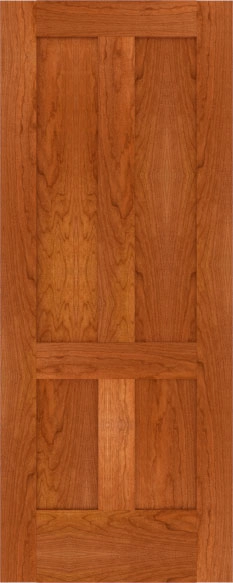
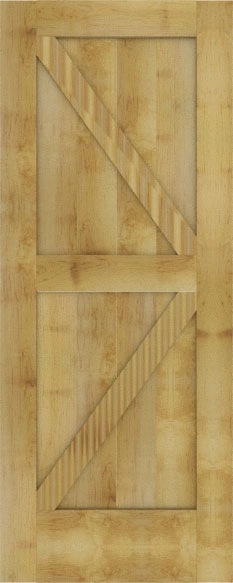
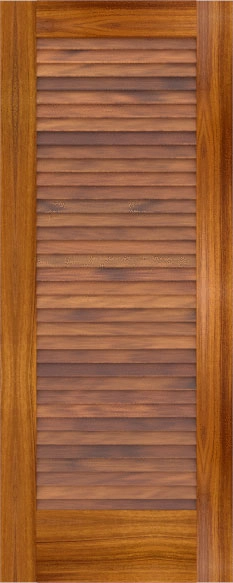
For traditional and colonial homes, raised-panel doors with six or eight panels create a classic look. Contemporary and transitional homes lean toward flat-panel or Shaker-style doors with clean lines. Louvered doors are ideal for closets, laundry rooms, and utility spaces where airflow matters. French doors with glass panels open up sightlines between rooms while maintaining the ability to close off spaces for privacy or climate control.
Wood species matters both aesthetically and structurally. Red Oak and White Oak are among the hardest domestic species, making them excellent choices for high-traffic exterior doors. Mahogany offers superior dimensional stability and a rich grain pattern prized for front entries. For interior doors that will be painted, Poplar provides a smooth, affordable substrate. Estate Millwork builds every door using mortise-and-tenon joinery with hardwood dowel pins, ensuring joints that will not loosen over a lifetime of daily use.
Start your custom door project today:
Need Help?
Related Posts
Interior Cabinet Door Styles That Elevate Your Kitchen Or Bathroom
Published: November 12, 2025
Why Mortise & Tenon Joinery Still Matters in Millwork
Published: October 23, 2025
From Shaker To Raised Panel: Cabinet Door Styles That Transform Your Home
Published: October 08, 2025
How to Match Door & Shutter Styles for a Cohesive Home Design
Published: September 30, 2025
Choosing the Right Exterior Shutters: Louvered, Board & Batten, Bahama, and More
Published: September 25, 2025
The Warmth Of Wood: Barn Doors Tailored To Your Home
Published: September 09, 2025
Classic Style, Modern Strength: Custom Wooden French Doors
Published: September 03, 2025
Built By Hand, Designed To Last: Custom Wood Louvered Doors
Published: July 07, 2025
Flat Panel Shutters For Colonial, Craftsman, And Farmhouse Styles
Published: May 28, 2025
Bring Old-World Charm Home With Custom Wooden Louvered Shutters
Published: May 04, 2025